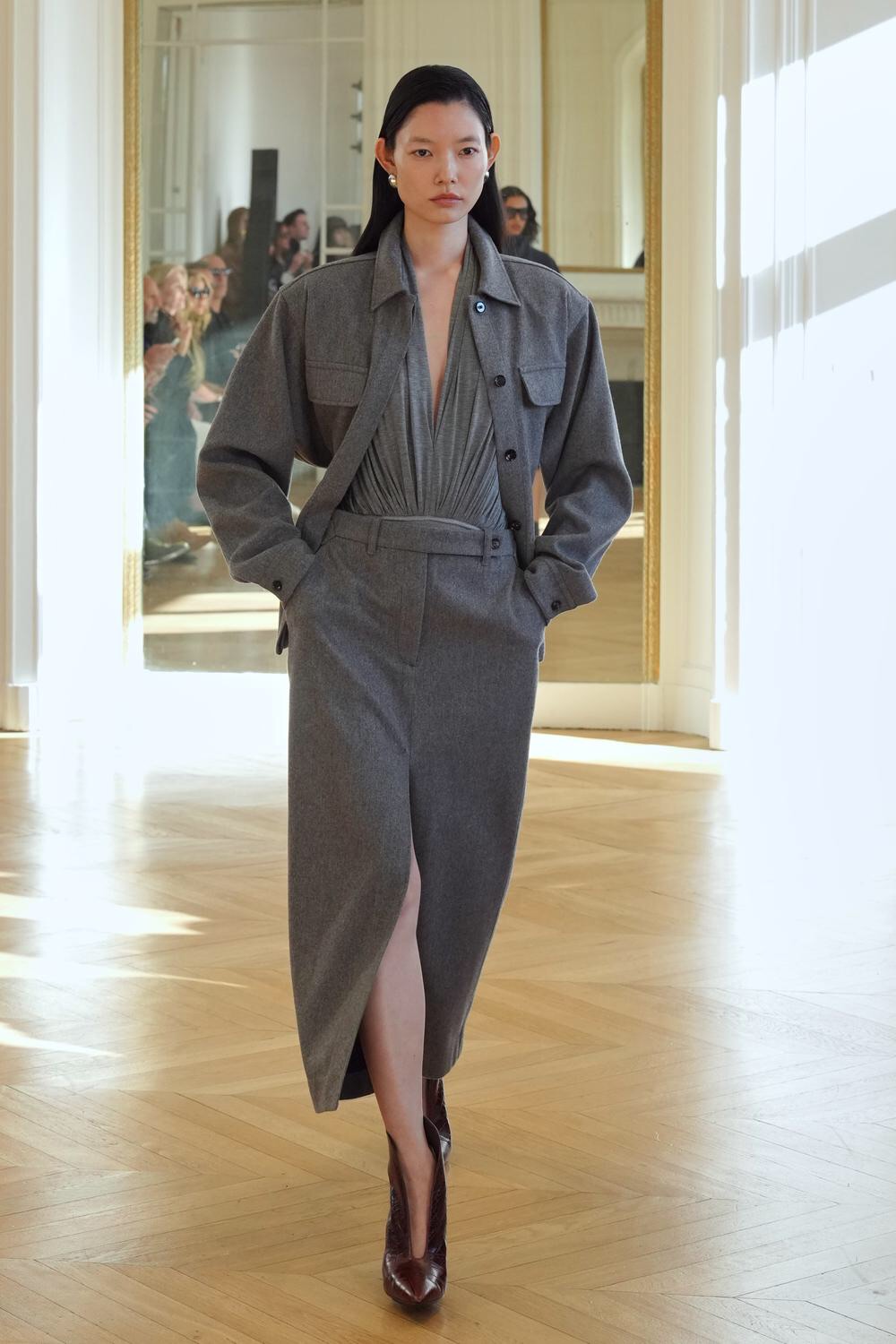
While the world watches Paris Fashion Week for its legendary houses and headline-making spectacles, the most interesting moments often unfold quietly.
Away from the thunder of viral runway moments and celebrity-filled front rows, a handful of designers quietly reshaped the conversation this season. Their shows were not built around hype, but around vision, craftsmanship, and a deep understanding of modern elegance.
These are the designers who may not have dominated every headline — yet their collections lingered long after the final runway look.
Welcome to The Quiet Power List of Paris Fashion Week.
Boyarovskaya: Precision Meets Future Tailoring
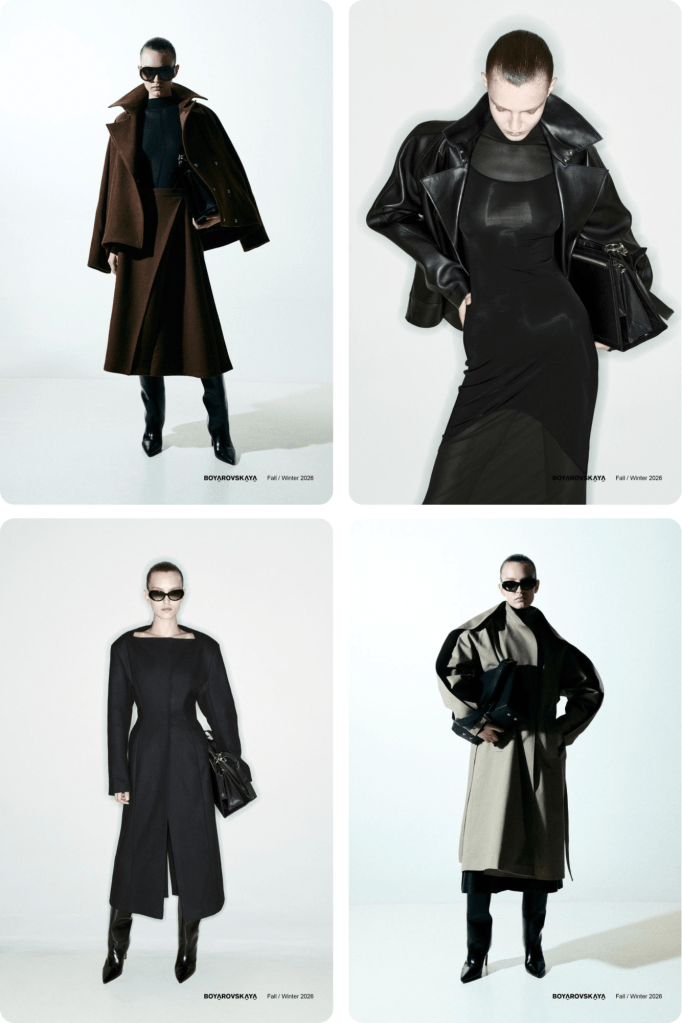
Emerging from the new guard of fashion voices, Boyarovskaya delivered one of the most intriguing explorations of structure this season. The brand’s signature tailoring felt architectural yet wearable, blending sharp silhouettes with an almost intellectual approach to proportion.
Rather than relying on spectacle, the collection spoke through detail: sculpted shoulders, clean lines, and garments that felt deliberately constructed rather than merely styled.
It was a reminder that the future of tailoring may not come from the old guard alone — but from designers willing to rethink its very foundations.
TIME: Conceptual Fashion With Emotional Depth
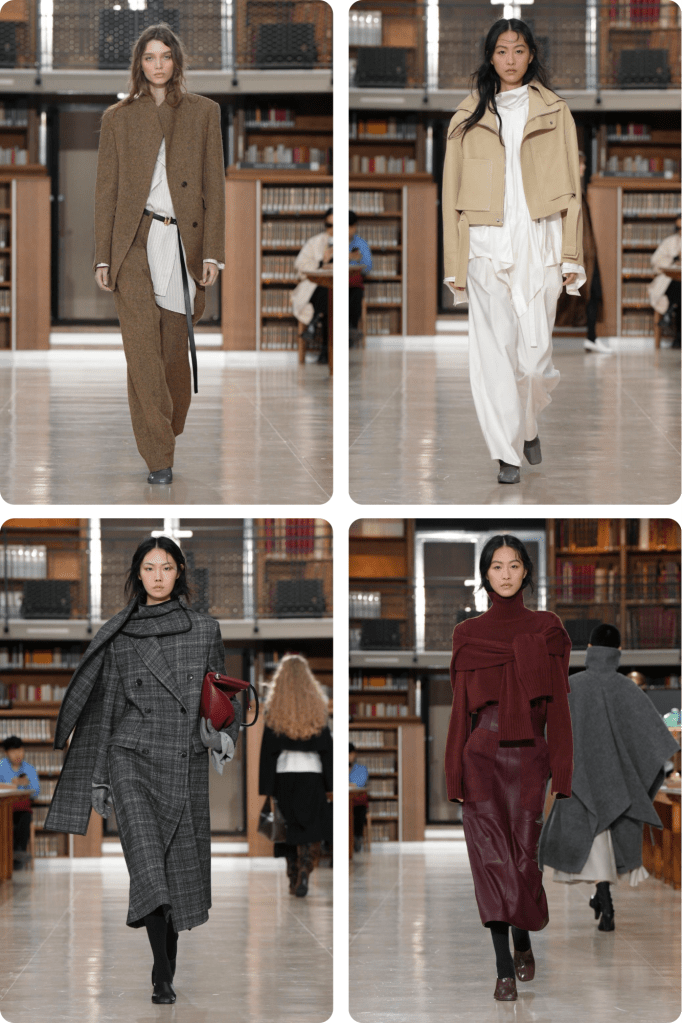
In an industry often driven by instant gratification, TIME presented a collection that demanded something rare on the runway: patience.
The label leaned into conceptual storytelling, offering silhouettes that felt experimental yet grounded in a clear design language. Textures, layers, and movement worked together to create garments that felt almost cinematic.
TIME’s strength lies in its ability to balance abstraction with wearability — proving that conceptual fashion can still resonate beyond the runway.
Ungaro: Heritage Reimagined for a New Era
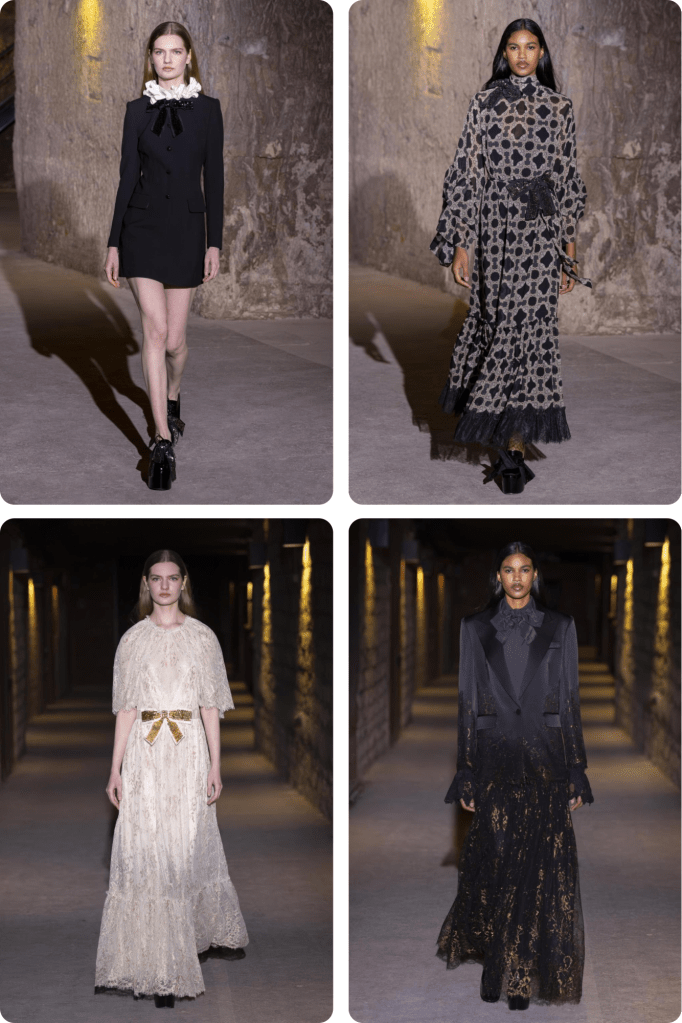
Reviving a historic house is never an easy task, yet Ungaro approached the challenge with quiet confidence this season.
The collection honoured the brand’s heritage of sensual elegance while subtly adapting it for today’s fashion landscape. Fluid silhouettes, refined draping, and sophisticated eveningwear hinted at the house’s glamorous past while remaining firmly rooted in the present.
Rather than chasing nostalgia, Ungaro focused on evolution — and the result felt both respectful and refreshingly modern.
Magda Butrym: Romanticism With Strength
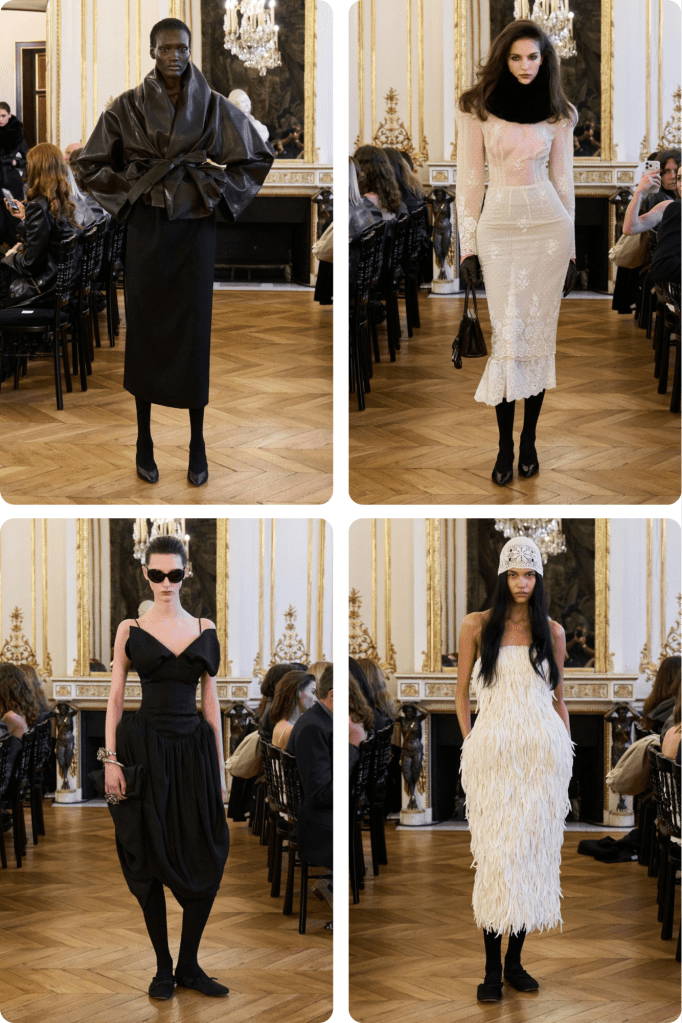
Magda Butrym has built a global reputation for her distinctive blend of femininity and power, and this season only reinforced that signature.
Her runway showcased a striking balance of softness and structure — fluid fabrics, and confident silhouettes that celebrated the strength inherent in romantic design.
Butrym’s vision continues to resonate because it understands something essential about modern fashion: femininity today is not fragile — it is powerful.
CO: The Art of Refined Minimalism
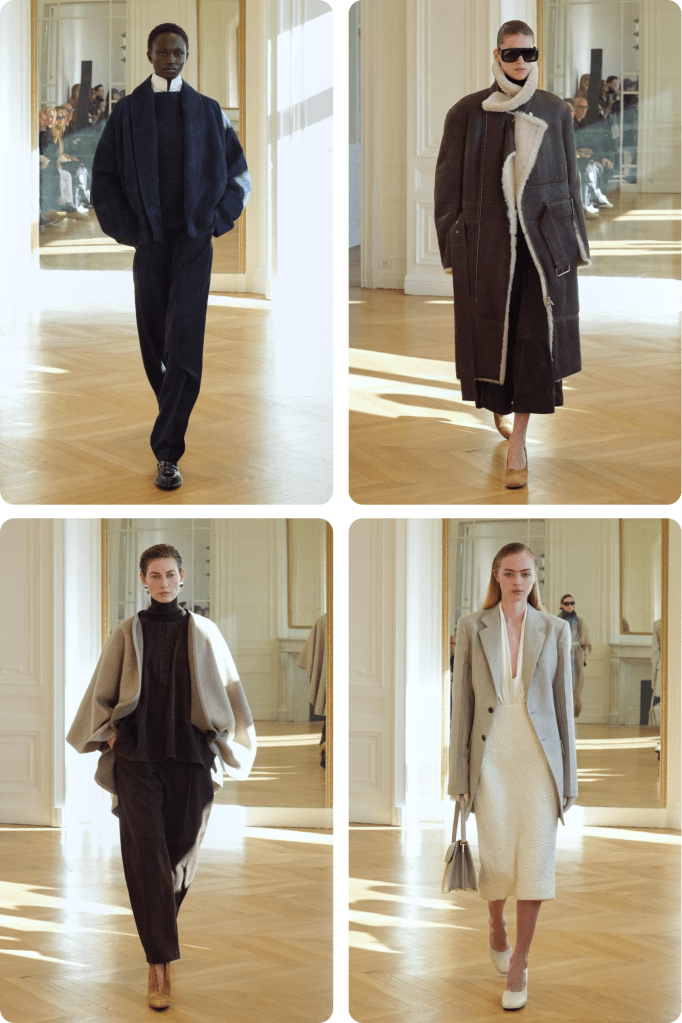
In an era dominated by maximalism and visual overload, CO delivered something increasingly rare on the runway: restraint.
The brand’s collection centred on precise tailoring, luxurious fabrics, and silhouettes that felt effortless rather than performative. Each piece carried a quiet confidence — the kind that doesn’t demand attention but naturally commands it.
CO’s approach reflects the growing influence of modern minimalism, where true luxury lies in quality, intention, and timeless design.
Why the Quiet Designers Matter
Fashion history often remembers the loudest moments. Yet the industry’s true evolution frequently happens in quieter spaces — in thoughtful collections, emerging voices, and designers who prioritise vision over spectacle.
This season in Paris proved that influence doesn’t always arrive with fanfare.
Sometimes, it arrives quietly — and changes everything.
And if the future of fashion is any indication, the quiet power players may soon become the voices everyone is listening to.
Credits: @Lauchmetrics & Artem Kononenko
Images via @Fédération de la Haute Couture et de la Mode (FHCM)
 The Rose Edit Blog
Leave a comment