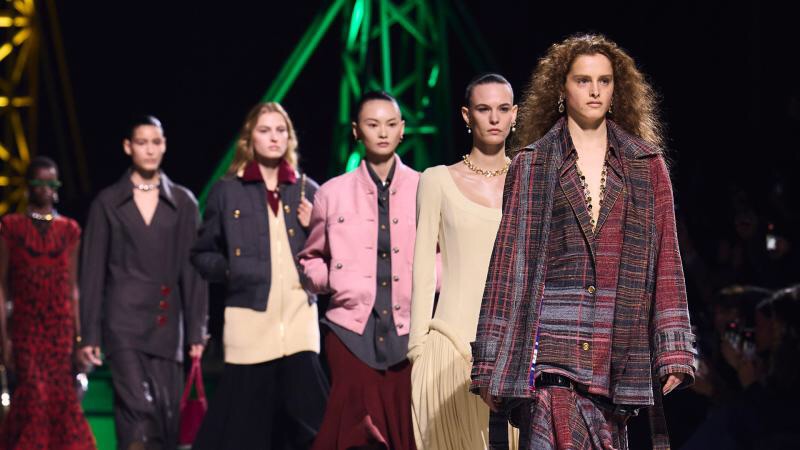
Fashion weeks are no longer just industry events — they are global style catalysts. What appears on the runways in Paris, Milan, New York, and London doesn’t stay there. It moves, evolves, and ultimately influences how the world dresses.
As we progress through 2026, the impact of late 2025 fashion weeks becomes impossible to overlook. What we see now — in shops, on social media, and on the streets — is the result of a system designed to shape style long before it reaches the public.
The Fashion Timeline: Why Trends Start Early
Fashion works on a forward-looking cycle. Collections showcased during Paris Fashion Week, Milan Fashion Week, New York Fashion Week, and London Fashion Week are typically revealed six months prior to their appearance in stores.
However, today, that timeline is accelerating.
Buyers select pieces for retail. Editors turn runway moments into trends. Content creators reinterpret looks for everyday wear. Platforms like TikTok, Instagram, and Pinterest compress this process even further — transforming runway inspiration into global style within weeks.
From 2025 Runways to 2026 Reality
Quiet Power Dressing Gains Ground
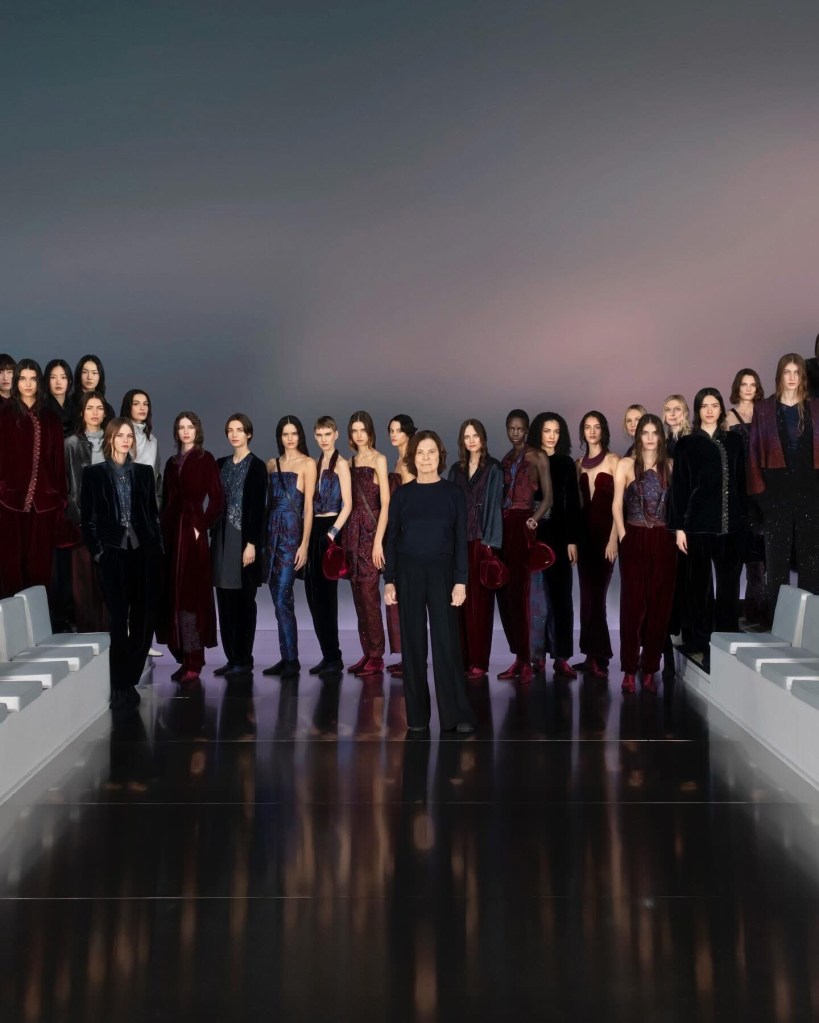
One of the most significant shifts from late 2025 fashion weeks is the rise of quiet power dressing. Structured tailoring, refined silhouettes, and neutral palettes dominated collections from houses such as Valentino and Giorgio Armani.
By 2026, this aesthetic has moved beyond the runway. It’s visible in daily wardrobes — from oversized blazers to monochromatic ensembles — signalling a shift towards understated confidence.
Texture Becomes the Statement
Designers pushed boundaries with fabric and texture: sheer layers, metallic finishes, and exaggerated textiles.
Now, these elements are being adapted into wearable fashion:
– Sheer layering in street style
– Subtle metallic accents for daywear
– Texture-driven outfits replacing bold prints
The outcome is a more tactile, expressive approach to dressing.
Cultural Identity Shapes Global Fashion
Fashion is no longer a unidirectional conversation led solely by traditional fashion capitals. Cultural identity now takes centre stage, with designers using fashion weeks to tell deeper, more personal stories.
This shift is especially notable ahead of South African Fashion Week, where local narratives, craftsmanship, and innovation continue to gain global recognition.
What was once considered “emerging” is now crucial. African fashion is not merely participating in the global conversation — it is helping define it.
The Speeding Up of Trends
The gap between runway and reality has never been shorter.
A look shown during fashion week can now:
– Go viral within hours
– Be recreated within days
– Reach mass audiences within weeks
Social media has transformed fashion weeks into real-time global events, where influence is immediate and extensive.
2026 Fashion Weeks: From Prediction to Reality
The first quarter of 2026 fashion weeks has made it clear: the trends introduced in 2025 were not fleeting — they were foundational.
We are witnessing:
– More wearable runway collections
– A stronger balance between creativity and commercial appeal
– The continued blending of luxury and streetwear
As anticipation for South African Fashion Week this April grows, focus shifts to how these global trends will be interpreted through an distinctly African perspective.
Why Fashion Weeks Remain Relevant
In an age driven by digital content and instant trends, fashion weeks remain influential because they do more than showcase clothing — they shape direction.
They influence:
– What brands produce
– What retailers stock
– What consumers ultimately wear
More critically, they shape identity — both individual and cultural.
The Rose Edit Perspective
At The Rose Edit, fashion week is not solely about what’s shown — it’s about how global moments translate into everyday style, and how African fashion continues to influence that dialogue.
Because fashion doesn’t start on the runway.
That’s just where the story begins.
— The Rose Edit
Credits: Chanel FW 26/27 @Lauchmetrics
Images via @Fédération de la Haute Couture et de la Mode (FHCM)
Giorgio Armani FW26
Credits: imaxtree.com
Images via @CAMERA NAZIONALE DELLA MODA ITALIANA
 The Rose Edit Blog
Leave a comment