Welcome Back to a New Era of Fashion
There once was a time when fashion craved attention. The logos were bold, trends appeared at lightning speed, luxury was overt, and every new season felt like a competition to be seen.
But while we were away, something changed. Quietly, slowly, and almost imperceptibly, fashion entered a new era. This transformation didn’t stem from a single runway, designer, or trend but emerged from a collective shift in taste, identity, and culture. The industry we left behind no longer exists in the same way, and honestly, that might be the most interesting development in fashion we’ve seen in years.
The End of Loud Luxury
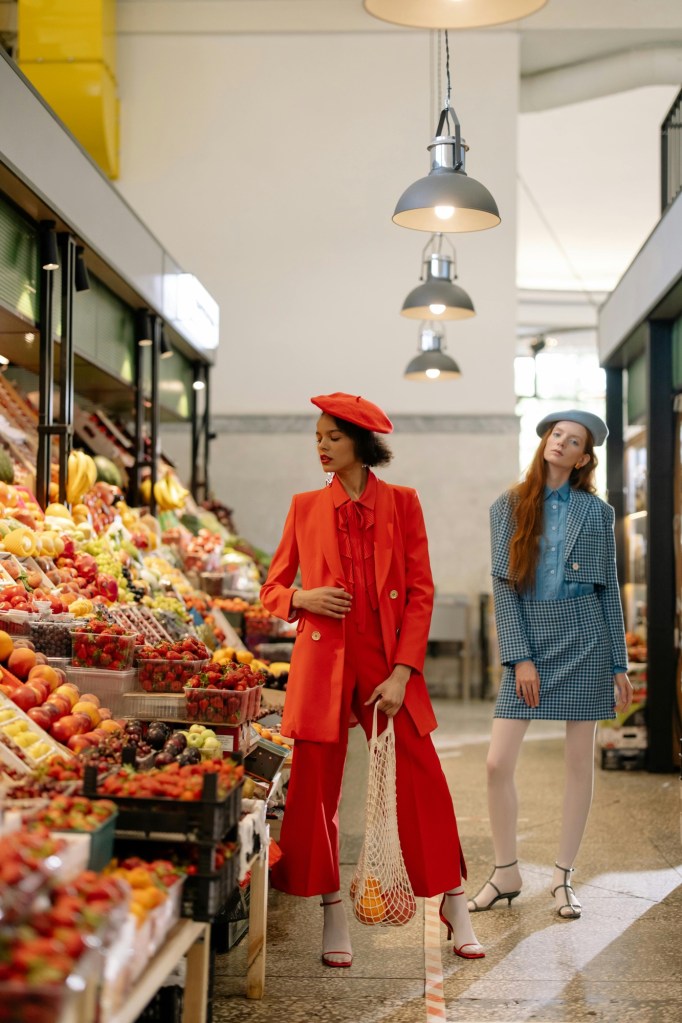
For years, fashion thrived on visibility. Luxury brands vied for attention with logos, monograms, maximalism, and social media validation. As the internet grew louder, fashion followed suit. Everything needed to stand out—the outfits, the campaigns, the influencers, the aesthetic.
However, oversaturation eventually led to fatigue. People stopped being impressed by overt displays of luxury. Suddenly, the most coveted outfits were the most understated. Tailoring became sharper, color palettes softened, logos faded away, and the idea of looking expensive transformed entirely. Luxury stopped demanding attention; it began to whisper.
Quiet Luxury Was Never Just a Trend
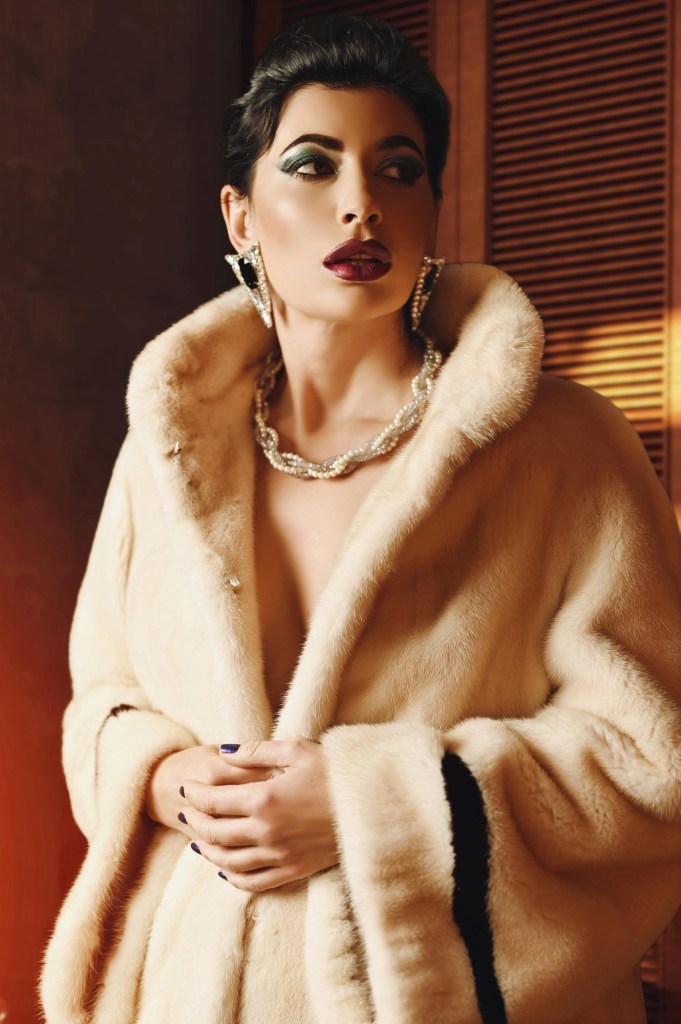
While some dubbed it “quiet luxury”, the shift goes deeper than mere aesthetics. This change wasn’t solely about beige cashmere sweaters or minimalist wardrobes; it reflected a broader cultural mood. People grew exhausted by overconsumption, microtrends, and the pressure of constant online performance. Fashion responded with restraint, becoming more intentional and curated. The new aspiration was no longer to appear wealthy; it was about being refined, and refinement is not easily faked.
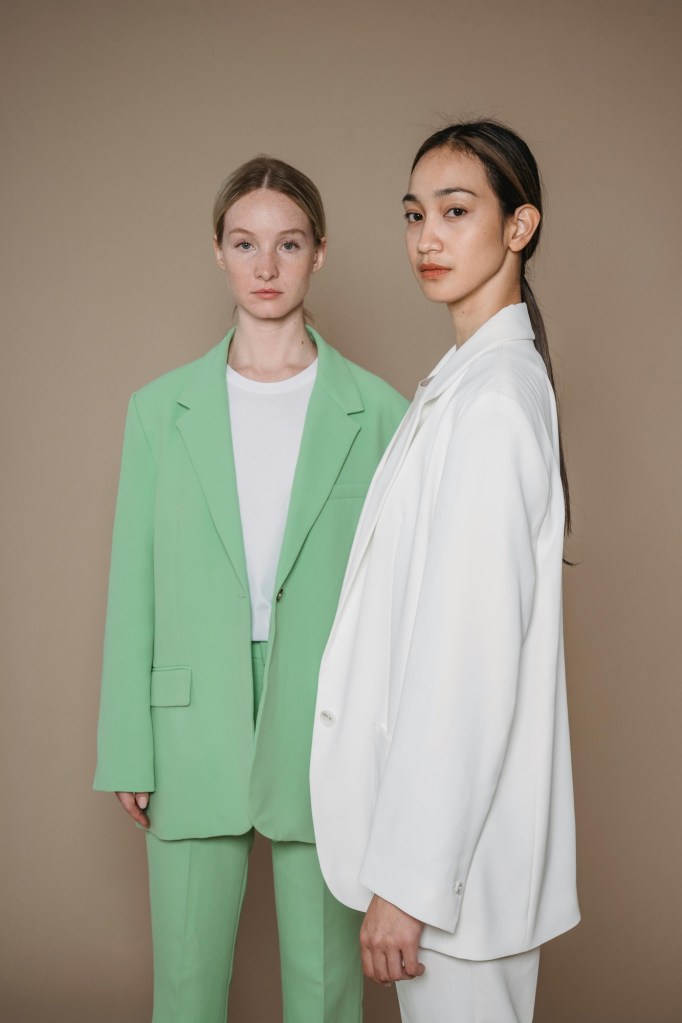
This is why tailoring has made a comeback, why quality fabrics are valued once more, and why timeless silhouettes now resonate more than fleeting viral trends. Fashion became quieter, yet more calculated.
Trends Started Dying Faster
Simultaneously, the internet accelerated fashion to an unprecedented pace. Trends now emerge and fade within days. What once lasted an entire season can feel outdated within a week. Fashion became trapped in a cycle of extreme speed, leading people to stop trusting trends altogether. Instead of chasing every aesthetic, audiences began seeking their own identities. Personal style became more valuable than merely participating in trends. This is why vintage fashion surged in popularity and archival collections gained desirability—people no longer wanted to look identical; they wanted to feel distinct.
The Rise of Archive Culture
One of the most significant shifts in modern fashion is the resurgence of appreciation for archives. Older collections suddenly matter again, and runway moments from years past are now cited more frequently than current campaigns. Fashion enthusiasts are studying vintage editorials, old runway footage, iconic silhouettes, and forgotten collections from designer eras that have shaped contemporary aesthetics. The conversation around fashion has become more historical, analytical, and intentional. People are no longer just consuming fashion; they are studying it, and that changes everything.
Fashion Became More Emotional
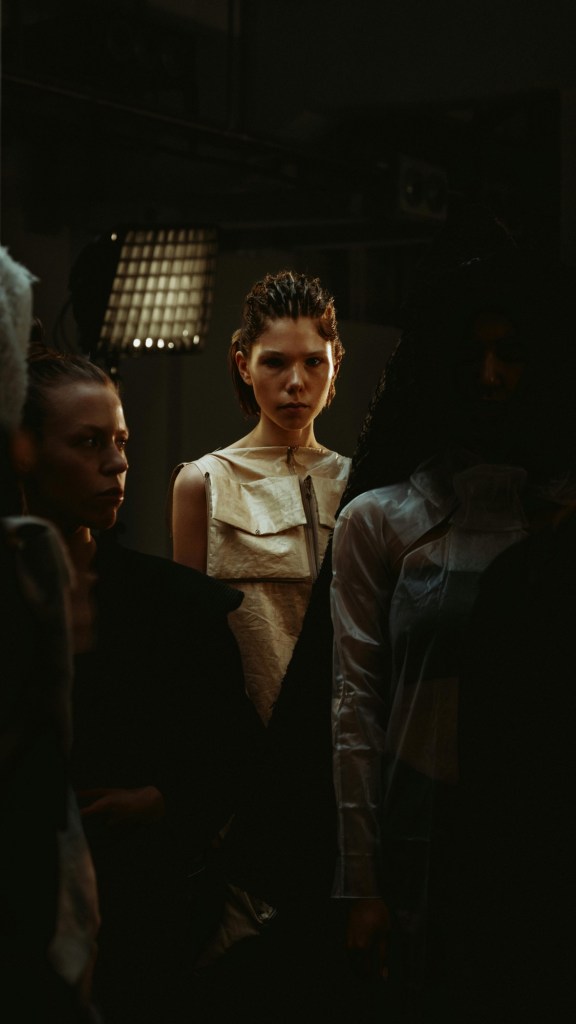
Somewhere along the way, fashion shifted from striving for perfection to embracing authenticity. Campaigns became moodier, runways darker, styling more personal, and editorial imagery turned cinematic rather than overly polished. Even luxury fashion became emotionally driven. Today, fashion is less about perfection and more about atmosphere, identity, storytelling, and presence. The most impactful looks no longer feel manufactured; they feel lived in.
Fashion Feels Colder — But More Intelligent
Modern fashion also conveys a sense of control—cleaner, sharper, and more disciplined. The chaotic maximalism of previous years has given way to precision. Everything now feels intentional: the casting, the styling, the lighting, the tailoring, the music, even silence itself. Fashion has become less performative, and paradoxically, this makes it more powerful because true confidence rarely needs to shout.
Why This Era Matters
Today’s fashion exists in contradiction. People desire individuality yet follow aesthetics. They seek timeless style while consuming fast trends, and they reject overconsumption even as they continuously seek newness. Within this tension, fashion is evolving. This era is not defined by a singular trend but by transformation—a transformation in how people perceive luxury, how they consume fashion, how they express their identities, and how they connect style to culture.
That is why modern fashion feels different—because it is.
Welcome Back to Fashion
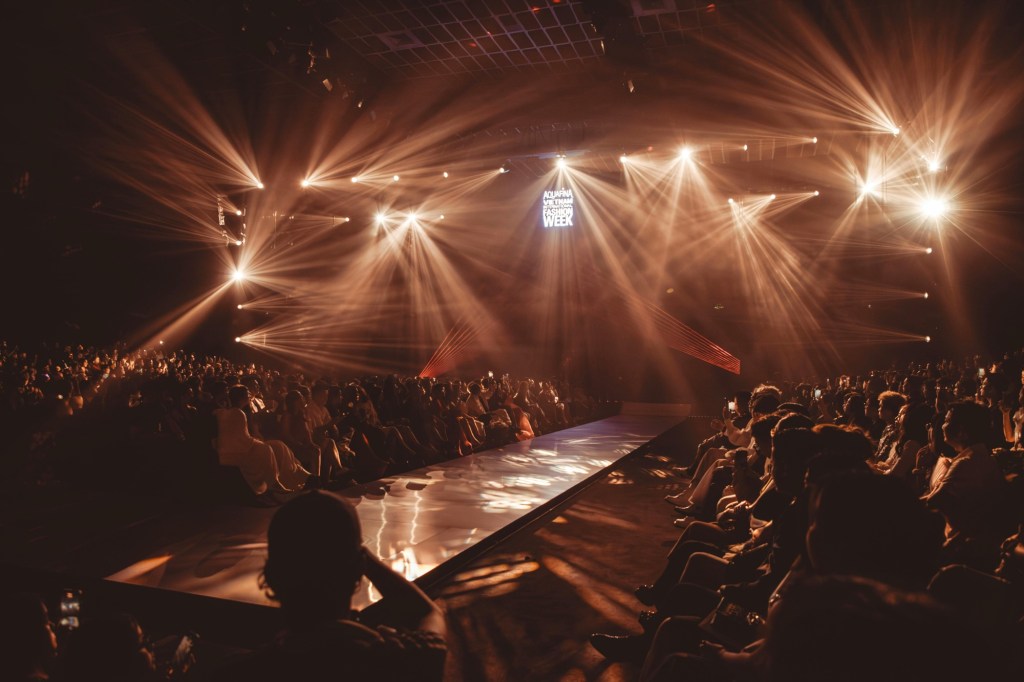
While we were away, fashion became quieter, more self-aware, more emotional, and more intentional. The industry has changed, the aesthetics have evolved, and even the meaning of luxury has transformed. Now, fashion is entering one of its most culturally fascinating eras yet. This is no longer just about clothes; it’s about identity, taste, mood, curation, and culture.
Welcome back to fashion.
Welcome back to The Rose Edit.
 The Rose Edit Blog
Leave a comment